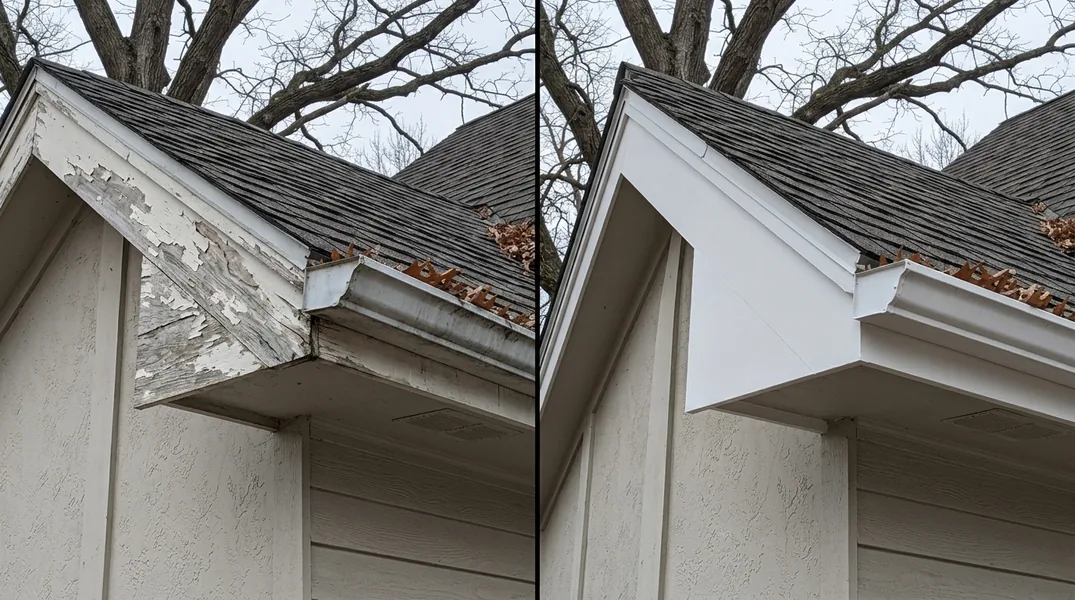
Why Historic Homes in Omaha Demand Different Maintenance
Owning a craftsman bungalow in Dundee or a Victorian mansion on the Gold Coast is a privilege that comes with real responsibility. These homes, many built in the early 1900s, possess architectural character and charm that modern construction simply cannot replicate. But that same age and unique construction also means they require a maintenance approach different from newer houses in Omaha.
Historic homes were built with materials and methods that have served well for over a century, but they also face challenges that contemporary homeowners rarely encounter. The wood framing, siding, and structural elements in these older properties are more vulnerable to moisture intrusion, pest damage, and gradual deterioration. Unlike modern homes with pressure-treated lumber and synthetic materials, vintage homes rely on solid wood throughout, which demands proactive inspection and care. Understanding these unique vulnerabilities is the first step toward protecting your investment and preserving the home's integrity for future generations.
Understanding Wood Rot in Craftsman and Victorian Homes
Wood Rot & Dry Rot Repair is one of the most common issues affecting older homes in Omaha, particularly in structures with extensive exterior wood siding and ornamental trim. Dry rot, despite its name, actually requires moisture to develop. It occurs when wood becomes damp for extended periods, allowing fungal growth that breaks down the wood's cellular structure. In Dundee bungalows and Gold Coast Victorians, this typically happens where water penetrates through failing caulk, compromised siding, or deteriorated roof flashing.
The challenge with wood rot in historic homes is that it often develops silently behind exterior surfaces, making early detection difficult without professional inspection. Homeowners might notice soft spots in siding, paint bubbling or peeling, or a musty odor near affected areas, but by the time these signs appear, significant structural damage may already exist. The foundation, rim joists, window frames, and decorative corbels that make these homes architecturally distinctive are all susceptible to rot. Regular inspection by someone familiar with historic construction is essential, as is addressing any moisture sources immediately to prevent progression.
Wood Siding Repair: Protecting Your Home's Exterior Character
The exterior wood siding on Dundee bungalows and Gold Coast Victorians is more than just protective covering; it is a defining aesthetic feature. Many of these homes feature original or period-appropriate lap siding, shingle work, or decorative trim that contributes significantly to their curb appeal and historical value. When this siding deteriorates, the temptation to simply replace it with modern vinyl or composite materials is strong, but that approach diminishes authenticity and can actually reduce property value for historically significant homes.
Proper wood siding repair in historic homes requires both technical skill and respect for the original design. This means carefully removing damaged boards, identifying matching materials when replacement is necessary, and restoring siding in ways that preserve the home's character. Regular maintenance, including repainting, recaulking, and prompt repair of small issues, can extend the life of original siding significantly. Neglecting these tasks allows water to infiltrate behind the siding, where it causes rot in the underlying sheathing and framing. Addressing siding problems early prevents far more expensive structural repairs down the road.
Structural Issues: When Wood Damage Threatens Your Home's Integrity
Beyond surface-level wood rot, historic homes sometimes face more serious structural challenges. Floor Joist & Subfloor Repair becomes necessary when moisture damage compromises the wooden beams supporting your floors. You might notice floors that feel bouncy or sag slightly in certain areas, or you might detect rot in basement joists during routine inspection. These issues demand professional attention because they affect your home's ability to safely support weight and resist settling.
In some cases, particularly severe structural damage may require Beam Replacement & Load-Bearing Wall Removal to restore the home's structural soundness. This is specialized work that must comply with building codes and engineering requirements. Historic homes sometimes present unique challenges because their original framing may not align with modern building standards, yet any repairs must maintain both safety and historical integrity. Attempting these repairs without proper expertise can create dangerous conditions or result in work that fails inspection. This is where partnering with experienced contractors familiar with both historic construction and current building codes becomes invaluable.
Termite Damage and Other Pest Threats to Older Homes
While wood rot develops from moisture and fungal growth, Termite Damage Repair addresses an entirely different threat to historic homes. Termites and other wood-destroying insects are attracted to the solid wood construction that defines Dundee bungalows and Victorian homes. These pests can cause damage that mimics rot in appearance but develops through a completely different mechanism. Termites create galleries within wood, weakening its structural integrity while leaving the surface relatively intact, which makes early detection especially challenging.
The best defense against termite damage is prevention combined with regular inspection. Historic homeowners should have their properties inspected annually by pest control professionals familiar with older construction. Unlike modern homes where termite damage is often caught quickly due to visible foundation cracks or mud tubes, older homes with stone or masonry foundations may hide termite activity for years. If you discover termite damage or suspect an active infestation, prompt professional assessment and treatment is critical to prevent the problem from spreading to other areas of your home.
Creating a Maintenance Plan for Your Historic Home
Successful ownership of a historic home requires a systematic approach to maintenance rather than reactive repairs. Start by conducting a thorough inspection of your property, documenting the condition of the roof, siding, trim, foundation, and interior wood elements. This baseline assessment helps you prioritize which issues need immediate attention and which can be addressed over time. For homes in Omaha, seasonal maintenance is particularly important given our climate's freeze-thaw cycles and variable moisture levels throughout the year.
Develop a maintenance schedule that includes regular caulking and repainting of exterior wood, gutter cleaning and repair, roof inspection, and annual pest checks. Keep detailed records of all work performed, including photographs and dates. This documentation proves invaluable if you ever sell the home and helps you track patterns that might indicate developing problems. Many historic homeowners find it helpful to work with a single contractor who becomes familiar with their property's unique characteristics and history. If you are ready to assess your home's condition or need specific repairs, Omaha Carpentry is ready to help. Call us at (531) 301-8741 or request a free estimate to discuss your home's needs.
The investment you make in proper maintenance today protects your home's value, ensures your family's safety, and honors the craftsmanship of builders who created these beautiful structures over a century ago. Historic homes deserve care that respects their heritage while addressing modern building standards and safety requirements.
Looking for a professional carpentry contractor in Omaha? Omaha Carpentry responds fast for all your carpentry needs.
Get a Free QuoteOur services: Wood Rot & Dry Rot Repair · Termite Damage Repair · Floor Joist & Subfloor Repair