Carpenter in Omaha, NE: Wood Rot, Structure & Finish Work
Omaha Carpentry is a residential carpentry shop serving homeowners across Omaha and the surrounding areas, including Papillion, La Vista, Bellevue, and Gretna. We work on the full span of carpentry: structural repair of rot and insect damage, floor and beam work, framing alterations, and finish carpentry including trim, doors, cabinets, and custom built-ins. Our carpenters know the local building stock well, from the brick bungalows of Dundee and Benson to the Victorian homes of the Gold Coast, the restored lofts of the Old Market, and the mid-century ranches across Millard and West Omaha. We understand how a century of settling, freeze-thaw cycles, and the continental Great Plains climate shape the wood in these homes.
Whether you are searching for a carpenter near me in Omaha to address advancing wood rot, repair damage from a pest inspection, or tackle a sagging floor, we approach the work the same way: diagnose the pathology honestly, explain what you are looking at, and propose the repair or replacement that makes sense for your home and your budget. Call (531) 301-8741 to discuss your project, or request a free wood rot inspection.
Why Wood Fails in Omaha, and How We Read It
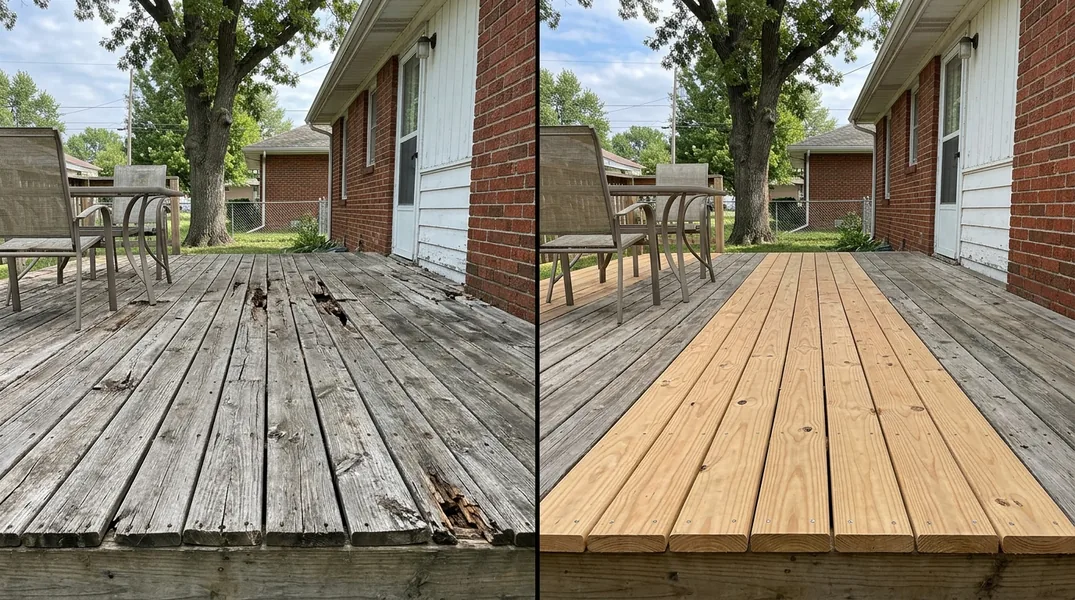
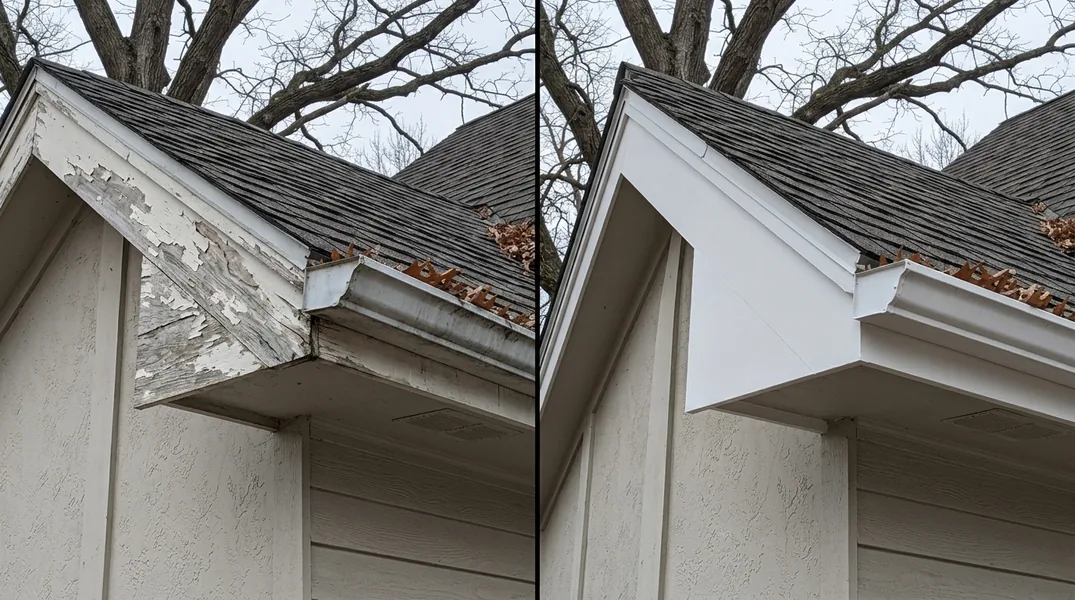
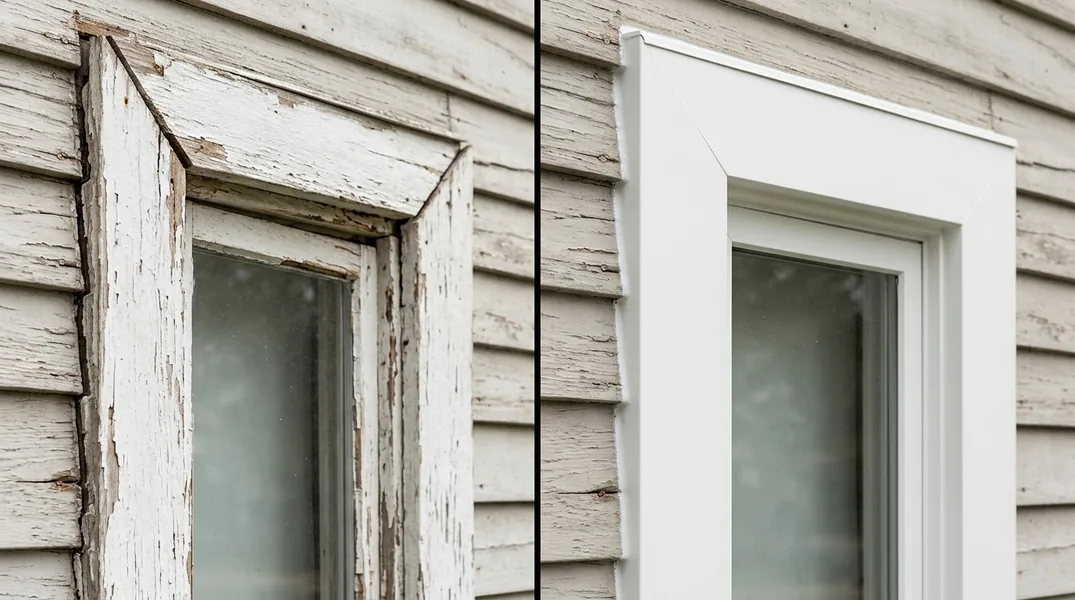
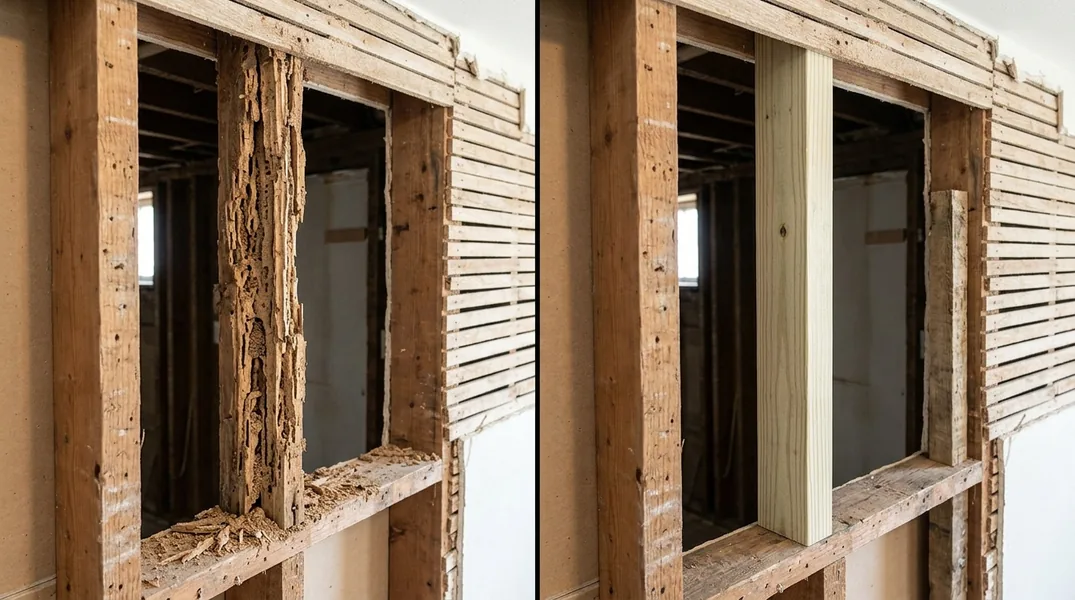
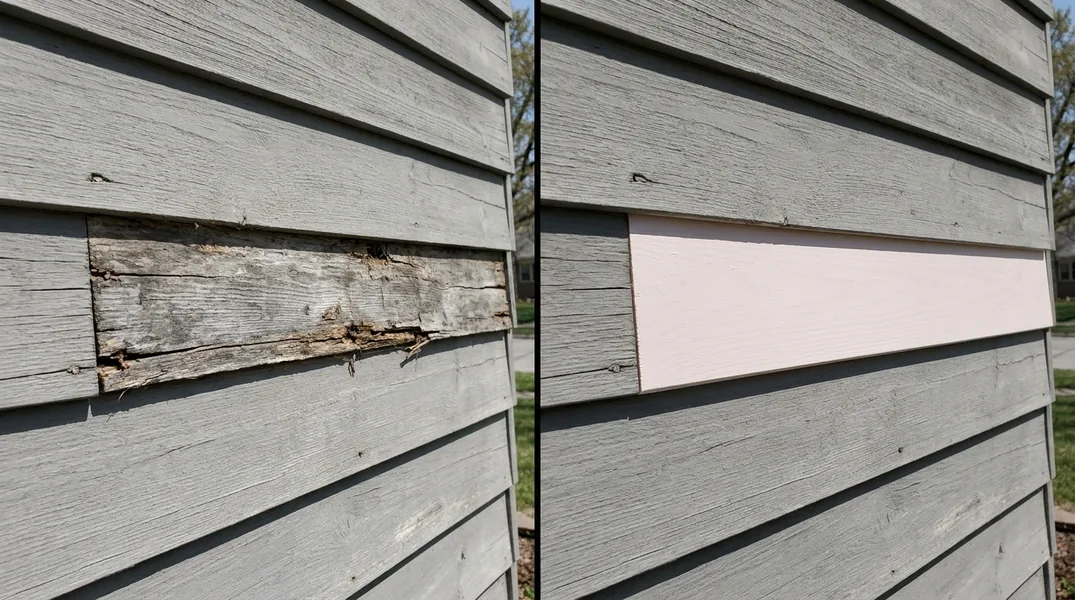
Wood fails in Omaha for specific reasons tied to our climate and building practices. Dry rot is a fungus that thrives in sustained moisture, and our cold snowy winters followed by thaw cycles create exactly the conditions it needs: water infiltration into siding, sills, fascia, and deck frames, trapped behind paint film where it stays damp for weeks. Wet rot settles into window sills, door thresholds, and deck ledgers where water collects and sits. Termites, while less aggressive here than in the Gulf South, still pose a real threat during our humid summer months, and they hollow framing from the inside while the painted surface looks intact. Beetles and other wood-boring insects follow similar patterns. The key point: by the time you see soft wood or discoloration on the surface, the damage is usually deeper than it appears.
We assess rot and insect damage by probing to find where sound wood begins, inspecting the framing behind the visible surface, and tracing the water path that fed the decay. A member with cosmetic surface loss over sound wood can be cut out and rebuilt. A member that has lost significant section gets replaced. And here is the honest call: if the water source is not closed, the repair fails again. Filler over rot is not a repair. On insects, we work from your own pest inspection report. We repair and replace the damaged wood. We do not treat, fumigate, or perform pest control, which is a separate regulated trade. Call (531) 301-8741 if you have found rot or suspect insect damage, and we will walk you through what we see and what it costs to address. For more detail, see our page on Wood Rot & Dry Rot Repair and Termite Damage Repair.
The pathology determines the remedy. If the wood still carries load and the decay is limited, sistering or patching is the answer. If the member has lost too much section, replacement is honest and necessary. We quote both options when both are real, and we explain the difference in cost and durability. A repair that does not address the water source will fail, so we always identify and close the leak before finishing the carpentry.
Structural Carpentry in Omaha: Joists, Beams and Settling
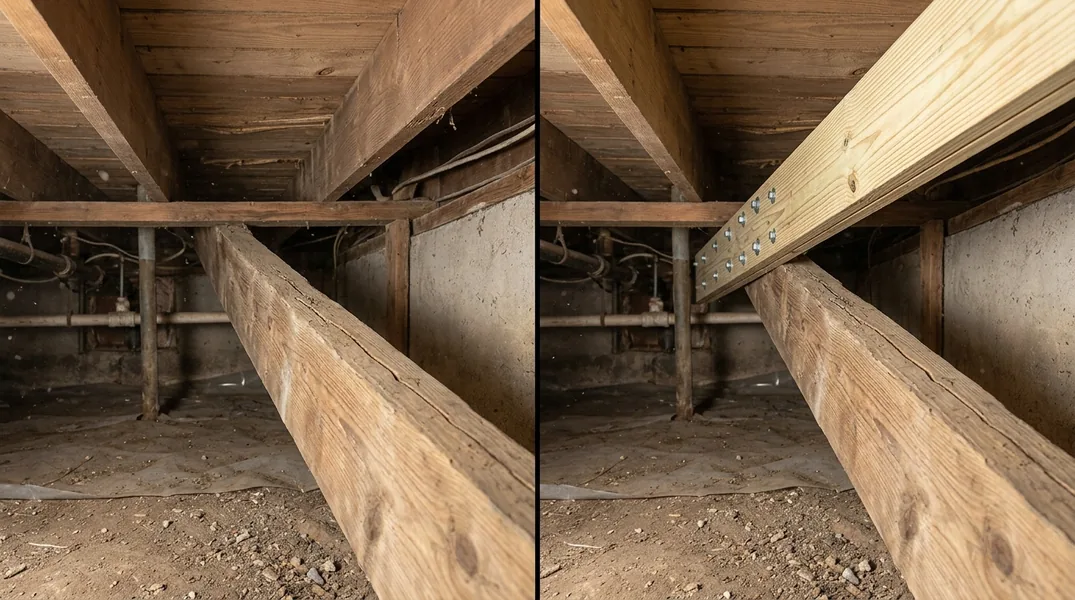
Structural carpentry in Omaha means understanding how old buildings settle and how they behave over time. A house built a century ago in Dundee or the Gold Coast has moved: floors slope, doors stick, and walls are no longer plumb. This is the normal condition here, not a sign of failure. What matters is whether the movement is still active and whether the structural members are doing their job. A floor joist that has deflected over decades but is still sound in its bearing can often be sistered to a new joist, spreading the load across both. A subfloor section that has rotted out gets replaced. A sill plate that has settled and cracked can be reinforced or replaced depending on what the inspection shows. Beam replacement, header installation, and load-bearing wall removal are larger undertakings that commonly require engineered drawings and a permit. We build to those drawings rather than produce them, and we work with a licensed structural engineer on the sizing and load calculations. See our page on Floor Joist & Subfloor Repair and Beam Replacement & Load-Bearing Wall Removal for more.
The freeze-thaw cycles of our winters and the weight of snow and ice create real stresses on framing and foundations, and we see the results: cracked studs, heaved joists, and sills that have moved. We assess each situation on its merits and propose the repair that restores function and stops further damage. Structural work of this scale always begins with a clear understanding of what the building department requires in your area, and we verify those requirements before we start.
Finish Carpentry and Built-Ins in Omaha Homes
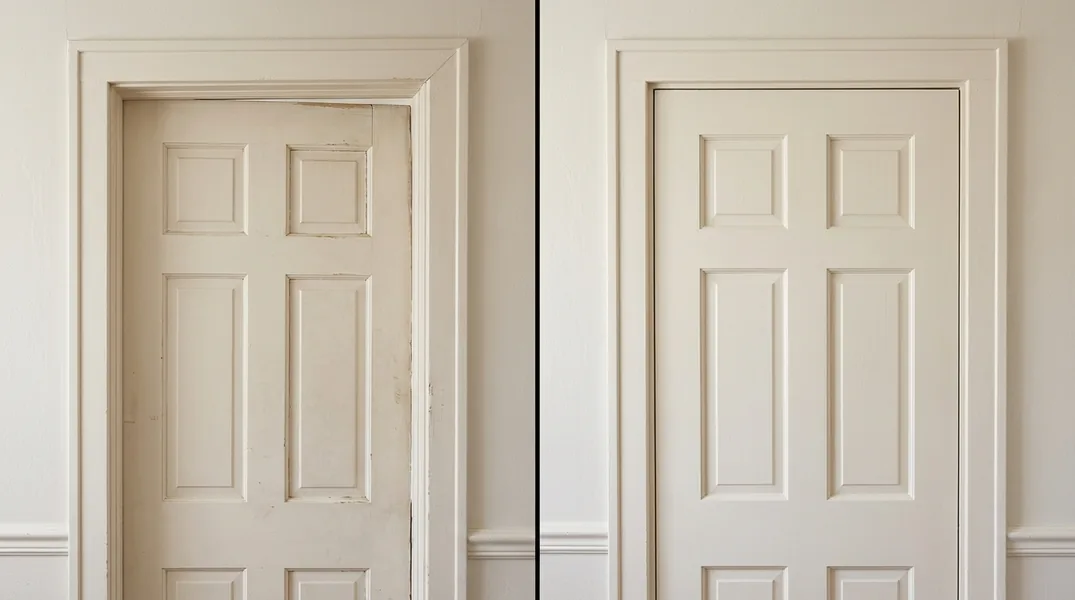
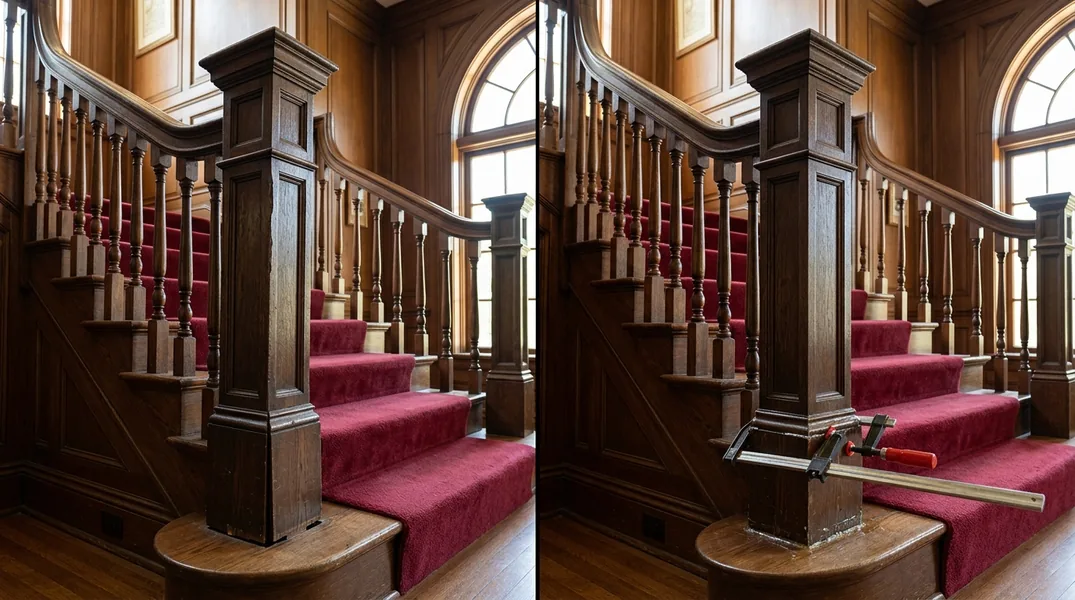
Finish carpentry is where a house becomes a home. We install casing, baseboard, crown molding, and wainscoting with the craft that older Omaha homes deserve: coped joints instead of caulked corners, scribing to walls that are neither flat nor plumb, consistent reveals, and profiles matched to the existing period millwork. The bungalows of Dundee and the Victorians of the Gold Coast often have original trim worth preserving and matching, and we know how to read a profile and replicate it. Custom built-ins, shelving, and cabinetry fit the compact floor plans and bay windows common in this stock. Interior and exterior doors, stairs with proper stringer and baluster work, and railings all demand the same attention to detail and fit. See Finish & Trim Carpentry, Crown Molding & Baseboard Installation, and Custom Built-Ins & Shelving for details.
The difference between a handyman and a carpenter shows in finish work. Out-of-square openings are common in old Omaha houses, and they require scribing and careful layout rather than forcing a door or casing into place. We take the time to read the space, fit the work to it, and make it look right. Bay windows, back stairs, and tight corners all benefit from a craftsman's eye and hand.
Permits, Repair-or-Replace & What We Do Not Do
Permits and compliance matter, and they vary by location. In most jurisdictions, a permit is commonly required for structural work such as removing or altering a load-bearing wall, replacing beams or joists, and making changes to stairs or exterior decks. Requirements and thresholds differ, and some work may be exempt depending on scope and local code. We verify what applies to your project before we start. If you are uncertain whether your work needs a permit, the local building department is the source of truth.
The decision to repair or replace a damaged member comes down to a few factors: how much sound section remains, whether the water source can be closed, and what each option costs. We quote both when both are real options, and we explain the trade-off in durability and price. On insurance, we can help document the damage for a claim, but we cannot promise that a claim will be approved or that the work will be covered. If you suspect damage from a covered loss, contact your insurer directly. We are fully insured, and you are welcome to verify any contractor's licence and insurance before hiring. Requirements vary, and rules differ between Omaha and surrounding jurisdictions. Always verify with the Omaha building department before starting your project. Call us to discuss your project, and we will help you understand what applies to your work.