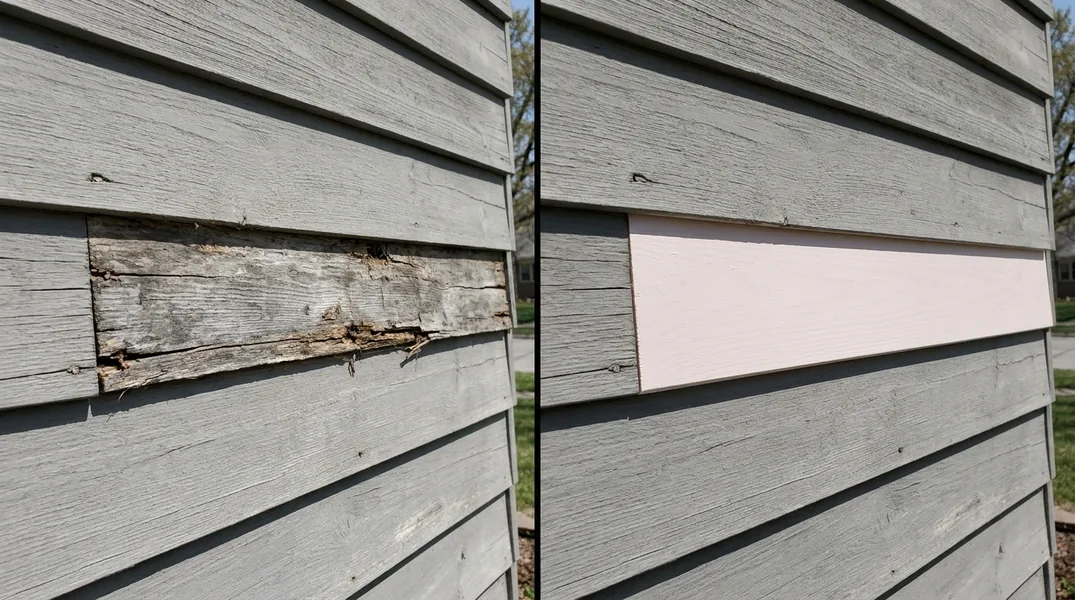
Why Omaha Homes Are Vulnerable to Wood Rot and Storm Damage
If you own a home in Omaha, you've probably noticed the weather can be unpredictable and intense. One day it's sunny, the next you're dealing with severe thunderstorms, hail, or heavy rain. What many homeowners don't realize is that this climate pattern creates ideal conditions for wood rot and structural damage that can silently compromise your home's integrity.
The Midwest's combination of high humidity, temperature fluctuations, and seasonal moisture creates an environment where wood naturally deteriorates faster than in drier climates. When spring rains arrive followed by hot, humid summers, wood absorbs moisture and never fully dries out. This constant dampness is exactly what fungi and decay organisms need to thrive. Add in the occasional hail storm or wind damage that breaches your roof or siding, and you've got a recipe for serious structural problems that can take months or even years to become visible.
Understanding Wood Rot vs. Dry Rot: What's Attacking Your Home
Wood Rot & Dry Rot Repair requires understanding the difference between these two common problems. Wet rot, often called wood rot, occurs when wood moisture content exceeds 20 percent. This happens in areas exposed to water intrusion like around windows, under gutters, or in basements. The wood becomes soft and spongy, and if you press it with a screwdriver, it'll feel mushy. Wet rot is the more common problem in Omaha homes because our climate provides plenty of moisture.
Dry rot, despite its name, also requires moisture to develop, but it's more dangerous because it spreads faster and can travel through masonry and brick. Dry rot breaks down the wood's structural integrity more aggressively, turning solid timber into a brittle, crumbling mess. Both types can hide inside walls, under flooring, and in attic spaces for years before you notice any signs. The key difference is that dry rot can spread even if the initial moisture source is removed, making it particularly destructive. If you suspect either type of decay in your home, professional inspection is essential to prevent catastrophic structural failure.
Storm Damage and Hail: The Triggers That Start Wood Rot
Severe weather is often the catalyst that leads to wood rot problems. When hail damages your roof or a strong storm tears off siding, water finds its way into the wood structure beneath. Even small breaches can allow moisture to accumulate in wall cavities and framing lumber where it's hidden from view. Omaha experiences significant hail events during spring and early summer, and many homeowners don't realize the damage extends beyond cosmetic dents on metal gutters or siding.
Hail damage wood repair becomes critical because wood exposed to weather without proper protection begins deteriorating immediately. A missing shingle here, a cracked board there, and water infiltration begins its slow but relentless attack. Within months, the wood can start to soften and decay. The frustrating part is that this damage often goes unnoticed until it becomes severe. By the time you see staining on a ceiling or notice soft spots in the floor, the structural damage may already be extensive. This is why prompt inspection and repair after any significant storm is so important for protecting your home's long-term value and safety.
Signs Your Home Has Wood Rot: What to Look For
Early detection is your best defense against costly repairs. Start by inspecting areas most prone to moisture accumulation. Look around window frames, door jambs, and the corners where siding meets the foundation. Soft, spongy wood that yields easily to a screwdriver is a clear sign of decay. You might also notice paint peeling or bubbling, discoloration, or a musty smell coming from walls or crawl spaces. Some homeowners discover wood rot when they notice floors that feel bouncy or spongy underfoot, which indicates damage to floor joists or subfloors.
Don't ignore small signs of water damage or staining on walls and ceilings. These are often the first visible indicators that moisture is accumulating inside your structure. Check your attic during or after rain to see if water is seeping in around roof penetrations or along the eaves. Inspect your basement or crawl space for standing water, high humidity, or visible mold growth. If you've recently had storm damage, take extra care to examine the damaged areas and surrounding wood even if the damage seems minor. The earlier you catch rot, the more cost-effective the repair will be. If you're unsure whether you have a problem, contact a professional for a thorough inspection.
Professional Wood Rot & Dry Rot Repair Near Me: When to Call Omaha Carpentry
Some minor wood damage can seem like a DIY project, but wood rot repair requires expertise and proper techniques to ensure the damage doesn't return. If rot has penetrated deep into structural members like beams, joists, or load-bearing walls, attempting repairs yourself can lead to inadequate fixes that fail down the road. Professional carpenters have the tools to assess the full extent of damage, identify moisture sources, and replace compromised wood with properly treated materials. They also understand how to restore structural integrity so your home remains safe and stable.
Floor Joist & Subfloor Repair and Beam Replacement & Load-Bearing Wall Removal are particularly complex jobs that demand professional attention. If rot has compromised these critical structural elements, the safety of your entire home is at stake. Omaha Carpentry specializes in identifying and repairing wood rot damage of all severity levels. Our team can provide a comprehensive assessment, explain your options, and handle the repair work with precision and care. Call (531) 301-8741 today to schedule your inspection.
Wood Rot & Dry Rot Repair Cost in Omaha: What to Budget
The cost of wood rot repair varies widely depending on the extent of damage, the location of the rot, and the structural components involved. Small, localized repairs in non-structural areas might cost a few hundred dollars, while extensive damage affecting multiple joists or beams can run into the thousands. Factors that influence pricing include how much wood needs to be removed and replaced, whether additional structural reinforcement is necessary, and how accessible the damaged area is. Moisture source remediation, such as fixing leaks or improving drainage, may add to the cost but is essential to prevent recurrence.
The good news is that addressing wood rot early is far more affordable than waiting for it to spread. A small area of rot caught and repaired promptly might cost $500 to $1,500, while the same rot left untreated for several years could require $5,000 to $15,000 or more in repairs. Insurance may cover damage from a recent storm, so check your policy before assuming you'll pay out of pocket. Omaha Carpentry offers transparent pricing and will provide a detailed estimate before any work begins. Contact us for a free estimate so you understand exactly what your repair will cost.
Prevention: Protecting Your Home From Future Wood Rot and Storm Damage
The best approach to wood rot is prevention. Maintain your home's exterior by keeping gutters clean and functioning properly, ensuring downspouts direct water away from the foundation, and sealing cracks in siding and around windows and doors. Trim tree branches that hang over your roof to reduce the risk of storm damage, and ensure your attic has adequate ventilation to prevent moisture buildup. Check your roof regularly for missing or damaged shingles, and address any issues promptly. If you live in an area prone to hail storms, consider impact-resistant roofing materials during your next roof replacement.
Interior moisture control is equally important. Use exhaust fans in bathrooms and kitchens, maintain proper grading around your foundation so water drains away from the house, and consider a dehumidifier in basements or crawl spaces during humid months. After any storm, inspect your home carefully for water intrusion and address problems immediately. Regular maintenance and prompt repairs will save you thousands in wood rot repair costs over the life of your home. If you're uncertain about your home's condition or need professional guidance on prevention strategies, Omaha Carpentry is here to help. Call (531) 301-8741 to discuss your home's specific needs and protect your investment for years to come.
Looking for a professional carpentry contractor in Omaha? Omaha Carpentry responds fast for all your carpentry needs.
Get a Free QuoteOur services: Wood Rot & Dry Rot Repair · Termite Damage Repair · Floor Joist & Subfloor Repair