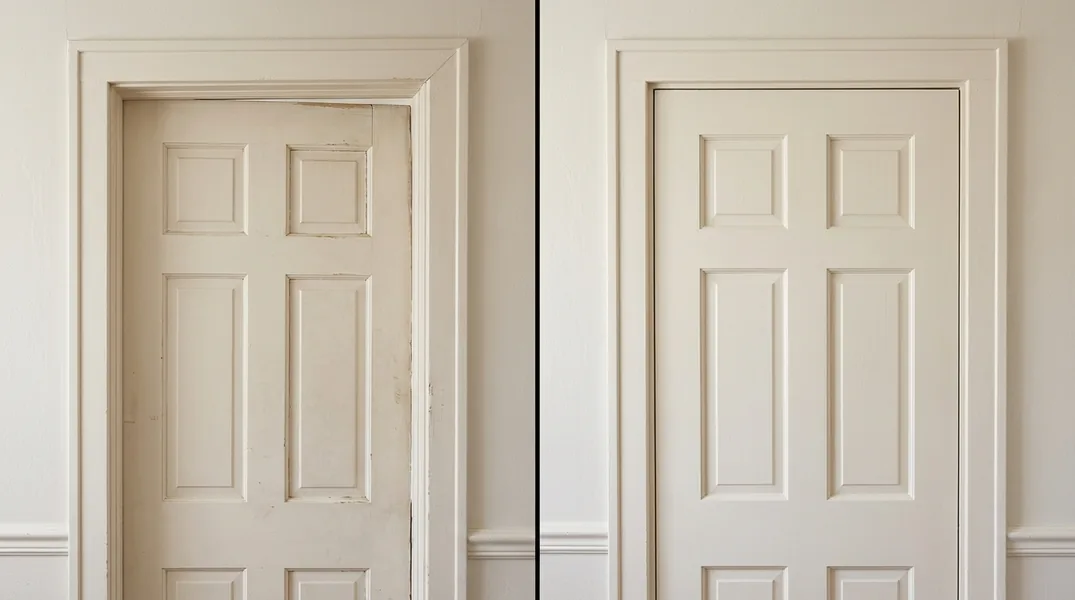
Why Wood Rot Happens in Omaha Homes
Wood rot is one of the most common structural problems affecting homes across Omaha. It develops when wood is exposed to moisture over extended periods, creating the perfect environment for fungi and decay. The culprits are usually poor drainage, leaking gutters, damaged roofing, or inadequate ventilation in crawl spaces and attics. In Omaha's climate, where spring rains and seasonal temperature swings are common, wood rot can accelerate quickly if left unchecked.
Dry rot, despite its name, also requires moisture to develop. It's a more aggressive form of decay caused by specific fungi that can spread through wood even when it appears dry to the touch. Storm damage compounds these problems. Heavy winds, hail, and rain can compromise siding, fascia boards, and roof structures, allowing water infiltration that leads to rot within weeks. The longer rot goes unaddressed, the more extensive and expensive the damage becomes, which is why early detection is critical for protecting your home's integrity and your wallet.
How to Assess Whether Your Wood Can Be Repaired
The first step in deciding whether to repair rotted wood without replacing it is understanding the extent of the damage. A simple test involves using a flathead screwdriver or awl to probe the affected area. Sound wood will resist the tool, while rotted wood will feel soft and allow the tool to sink in easily. If the rot is superficial (less than one-quarter inch deep), repair is often possible. However, if the decay has penetrated deeper or affects more than 30 percent of the board's thickness, replacement is usually the safer and more cost-effective option.
Location matters significantly when making this decision. Rot in decorative trim or non-structural siding is much easier and cheaper to repair than rot in load-bearing beams, floor joists, or wall framing. If you're unsure about the severity, it's worth calling a professional. A structural assessment can identify hidden rot that isn't immediately visible and determine whether the damage compromises your home's safety. Omaha Carpentry offers free estimate consultations to evaluate your specific situation and recommend the best course of action.
Repair Rotted Wood Without Replacing: When It Works
Repairing rotted wood without replacing it is possible for minor to moderate surface damage. The process typically involves removing the decayed portion with chisels or sanders, treating the remaining wood with a fungicide to prevent future growth, and then filling the void with epoxy filler or wood hardener. This approach preserves the original wood and maintains historical character in older homes. For exterior siding or trim, the repaired section can be sanded smooth, primed, and painted to blend seamlessly with the surrounding surface.
The advantage of repair is cost and speed. A small patch job might take a day or two and cost significantly less than replacing an entire board or section. However, repair only works when the structural integrity of the wood is still intact. If the rot has compromised the wood's ability to support weight or resist weather, repair is merely a temporary fix that will fail prematurely. This is especially true for Floor Joist & Subfloor Repair or any load-bearing application where safety is paramount. Homeowners should view repair as a solution for cosmetic or minor structural issues, not as a substitute for replacement when the wood's strength is compromised.
When Replacement Is the Smarter Choice
Replacing rotted wood is often the more responsible and economical decision in the long run. If decay affects more than 30 percent of a board's cross-section, extends into multiple boards, or involves structural components like beams or joists, replacement is essential. Attempting to repair severely rotted wood is like putting a band-aid on a broken bone. It might look fixed temporarily, but the underlying problem persists and will worsen, leading to costly repairs down the road.
Replacement also eliminates the source problem more thoroughly. When you remove and replace rotted wood, you have the opportunity to identify and address the moisture source that caused the rot in the first place. This might mean improving drainage, sealing cracks, upgrading gutters, or improving ventilation. A complete replacement with proper moisture management prevents the new wood from suffering the same fate. For storm-damaged siding or structural elements, replacement ensures your home meets current building codes and maintains its weather resistance. If you're dealing with extensive damage from recent storms or discovering hidden rot in critical areas, Wood Rot & Dry Rot Repair specialists can assess whether replacement is necessary and execute the work safely.
Wood Rot Repair Cost in Omaha: What to Budget
Understanding pricing for wood rot repair helps you make informed decisions. Minor repairs to small sections of trim or siding typically cost between $150 and $500, depending on accessibility and the type of wood. These jobs involve removing the rotted portion, treating the area, applying filler, and finishing. Moderate repairs affecting larger sections or multiple boards might run $500 to $2,000. Extensive repairs or replacement of structural elements like beams, joists, or significant siding sections can easily exceed $2,000 to $10,000 or more, depending on the scope.
Several factors influence the final cost. The type of wood matters, as some species are more expensive to source and work with. The location of the damage affects labor time and complexity. Hidden rot that's discovered during the repair process can increase costs unexpectedly. Material quality also plays a role. Using pressure-treated lumber or rot-resistant species for replacement costs more upfront but provides better long-term protection. Rather than guessing at costs, homeowners should get a detailed estimate that breaks down labor, materials, and any unexpected contingencies. Omaha Carpentry provides transparent free estimate quotes with no obligation. Call (531) 301-8741 to discuss your specific situation and receive an accurate assessment of repair versus replacement costs.
Preventing Future Rot: The Real Long-Term Solution
Whether you repair or replace rotted wood, prevention is the ultimate solution. The most effective strategy is moisture control. Ensure gutters and downspouts direct water at least 4 to 6 feet away from your foundation. Check roof shingles regularly and repair leaks immediately. Seal cracks in siding, around windows, and where utilities enter your home. Improve ventilation in crawl spaces, attics, and basements to reduce humidity. Grade your landscape so water slopes away from the house rather than pooling near the foundation.
Regular inspections catch problems early before they become expensive. Walk around your home seasonally, looking for soft spots in siding, discoloration, or areas where paint is peeling. Pay special attention to areas prone to moisture, such as basement walls, window frames, and roof overhangs. Address any signs of moisture or damage immediately. If you're uncertain about what you're seeing, a professional inspection is money well spent. Omaha Carpentry can evaluate your home's condition and recommend preventive measures tailored to your property. The small investment in prevention today saves thousands in repair costs tomorrow.
Looking for a professional carpentry contractor in Omaha? Omaha Carpentry responds fast for all your carpentry needs.
Get a Free QuoteOur services: Wood Rot & Dry Rot Repair · Termite Damage Repair · Floor Joist & Subfloor Repair